

OUR SUSTAINABILITY MANIFESTO
More compact.Less energy.Lower carbon.
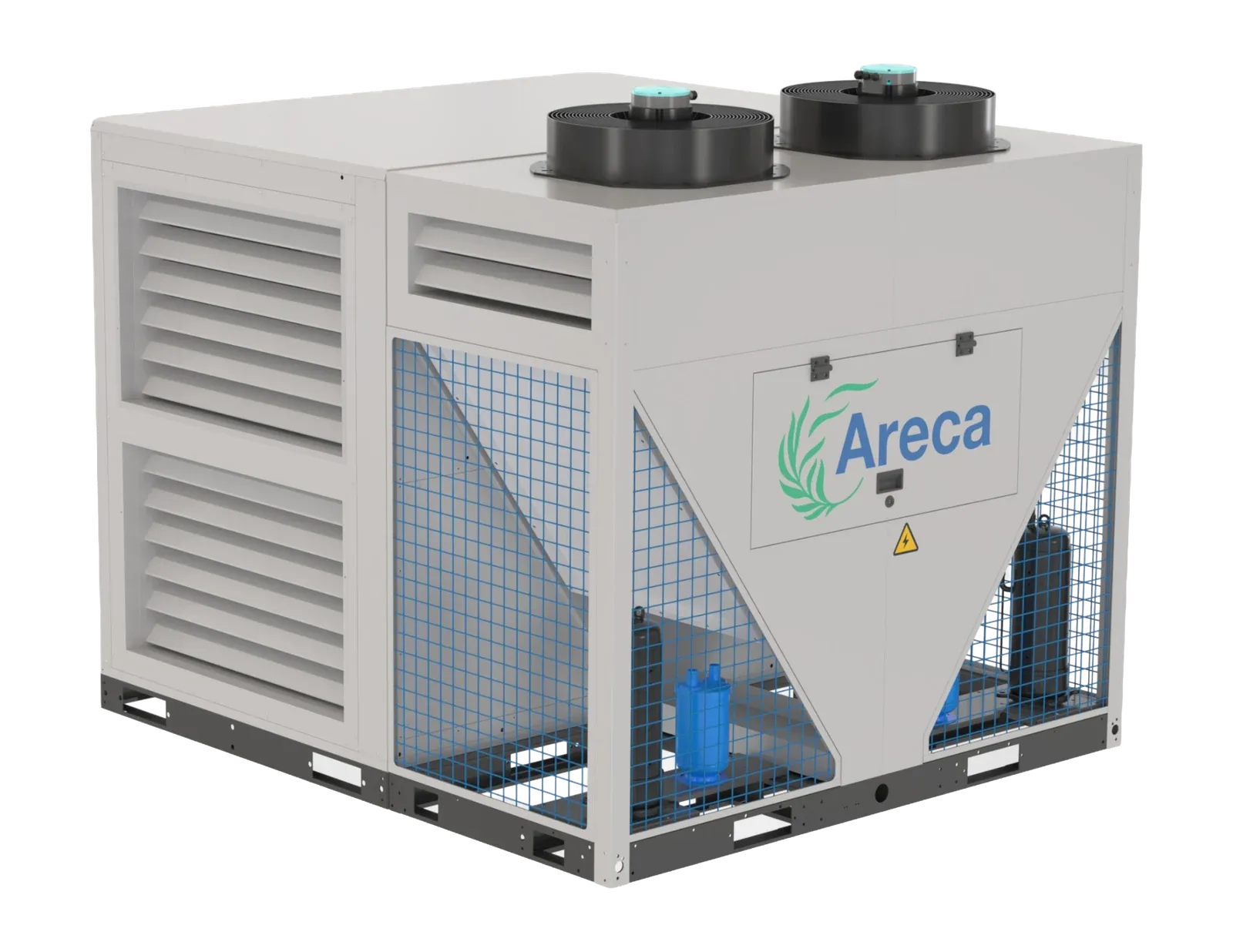
The environmental impact of a climate unit is largely determined at the design stage. A more compact, lighter casing reduces material use and transport, and a unit that operates according to the load consumes less energy throughout its service life.
Compact enclosure
Less material, a lighter product, less space.
Less energy
Only the energy needed, with inverter compressors, EC fans and smart controls.
Lower carbon
A smaller carbon footprint from production to use.
Climate control for the future
The core objective of the ARECA brand is to develop units that deliver the same level of comfort with lower energy consumption, and to bring these products to the international market.
This objective is achieved not by improving individual components in isolation but by designing the system as a whole. The compressor, fans, heat recovery and control software are designed together towards a common efficiency target.
Low-GWP refrigerant and F-gas regulations
The choice of refrigerant is the most important design decision determining a unit’s direct impact on the climate.
Low-GWP refrigerant
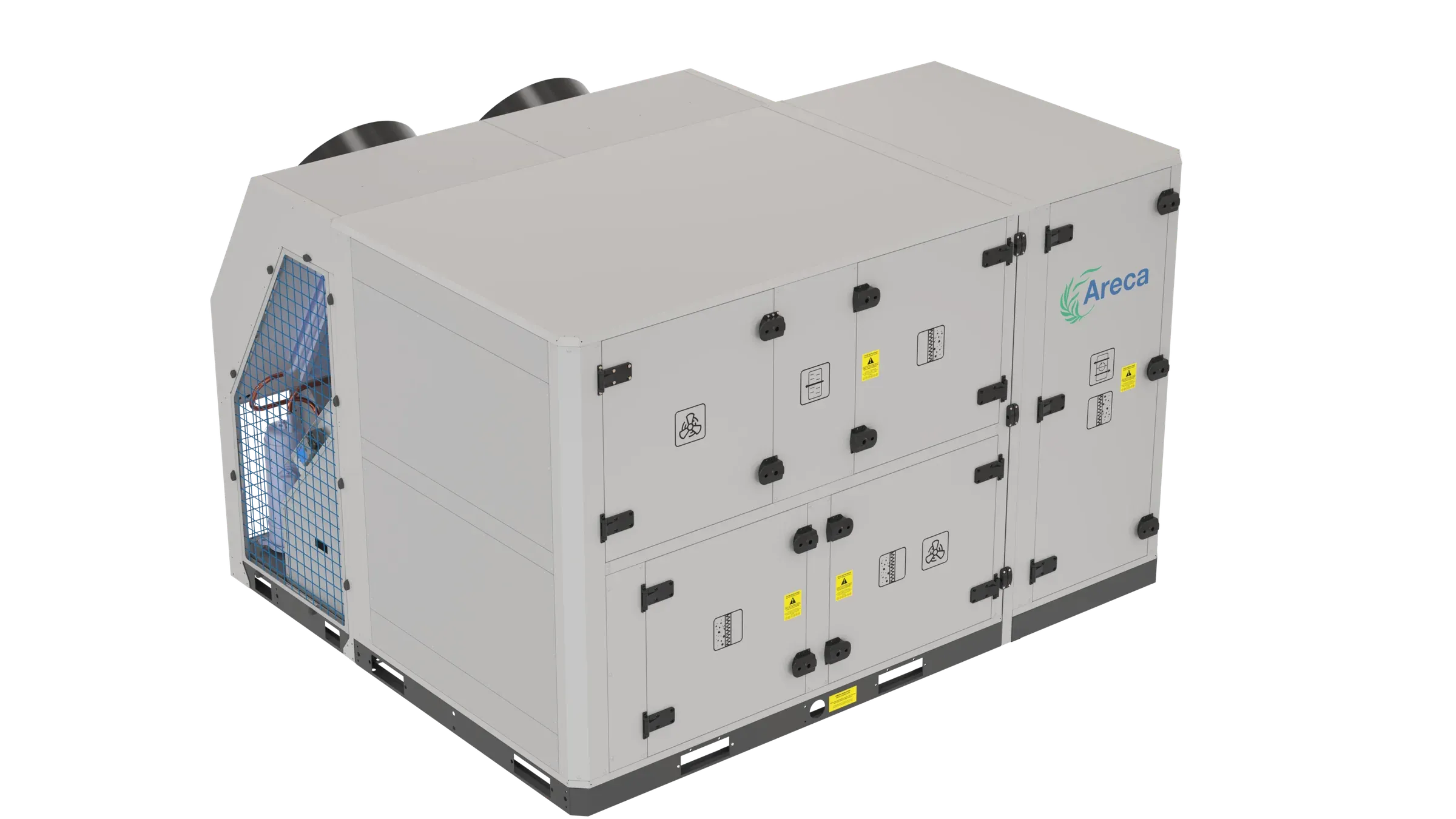
In product development, priority is given to refrigerants with a significantly lower global warming potential than the widely used R410A. EAGLE operates with such a refrigerant.
F-gas regulations
This choice is consistent with the objectives of the European Union’s regulation on fluorinated greenhouse gases.
Refrigerant-specific cycle design
The refrigeration cycle and coils are sized for the refrigerant used, so that efficiency is not compromised.
A+ energy efficiency and intelligent control
Energy that is not consumed is carbon that is not emitted. All EAGLE models achieve energy class A+ in both cooling and heating mode.
Inverter scroll compressors
The compressor does not operate in on/off cycles; it adjusts its speed to the building’s instantaneous demand.
EC fans
Speed-controlled EC plug and EC axial fans adapt the airflow to changing external static pressure and eliminate belt and pulley losses.
Control software
Control algorithms continuously optimise the operating point according to indoor demand and seasonal conditions.
Smart sequential defrost
No defrost takes place at outdoor temperatures above 3 °C; when required, circuits are defrosted in sequence and heating continues without interruption.
Material efficiency and energy recovery
Compact, lightweight design
Casing dimensions are kept to what is required. Less material and lower weight result in a smaller carbon footprint during production, shipping and installation.
Heat recovery
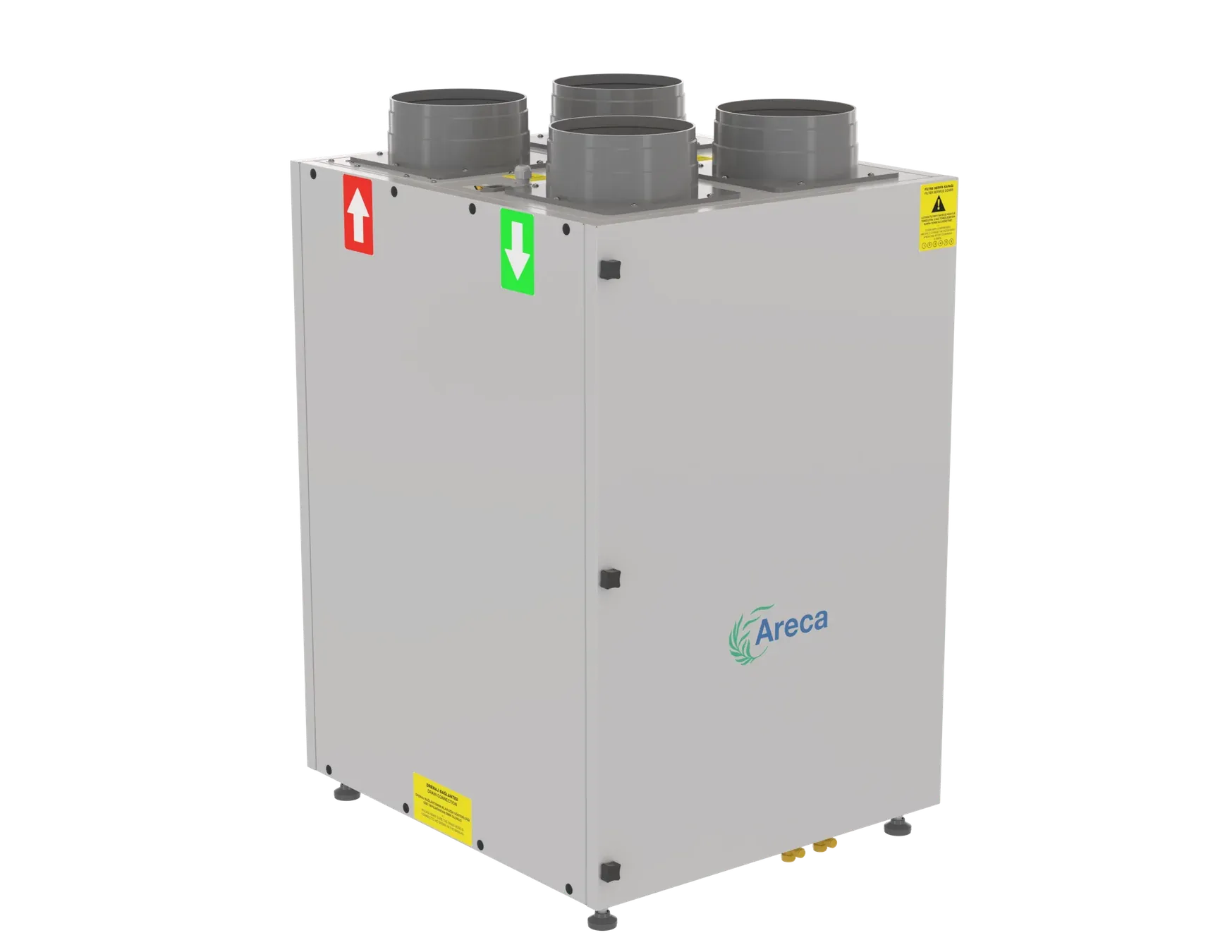
The heat recovery rotor available for EAGLE and the counter-flow exchanger in SPARROW transfer the energy of the exhaust air to the incoming fresh air.
Controlled environment agriculture
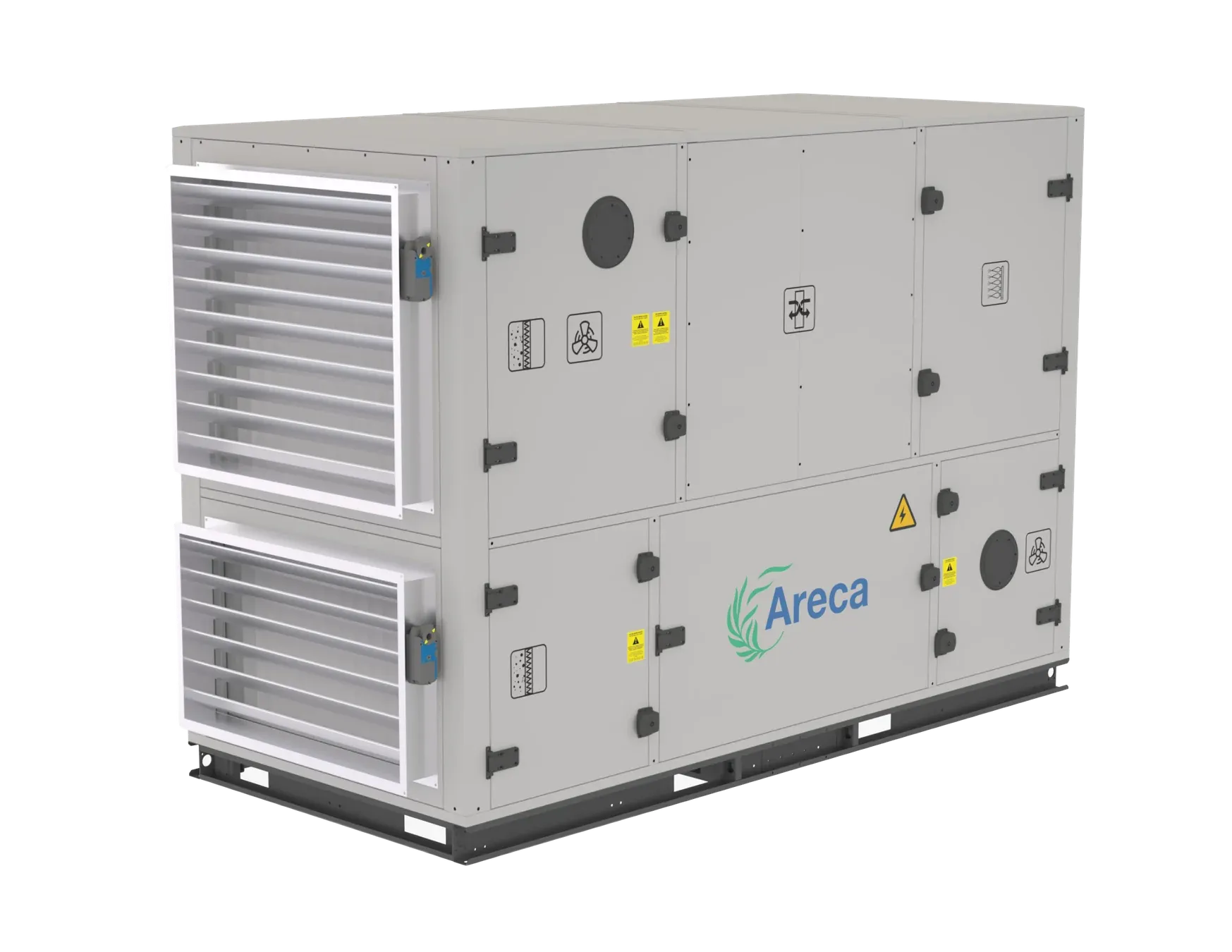
SKYLARK extends the same approach to agriculture: a climate unit that manages temperature, humidity and air distribution together in indoor and vertical farms.